From Bristol to Bradford: The Union Victories That Stopped NHS Backdoor Privatisation
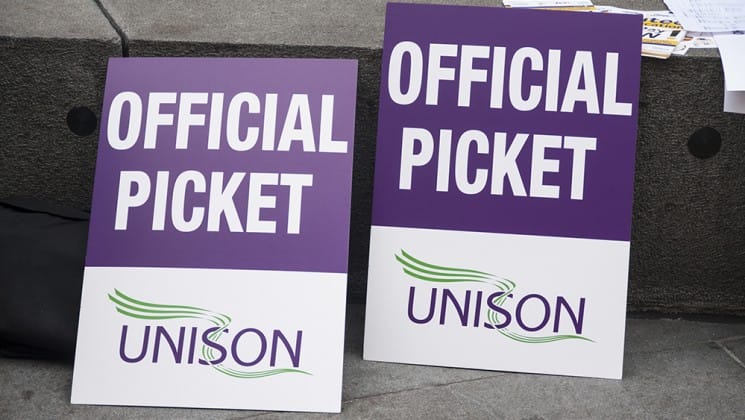
For years, NHS trusts have tried to cut costs by creating wholly-owned subsidiary companies (“SubCos”) to which they could shift support staff. But since 2018 front-line NHS workers – supported by their unions – have repeatedly pushed back. In trust after trust, proposals to outsource porters, cleaners, caterers and other non-clinical staff have been halted or reversed after ballots, protests and strikes. These victories, won through solidarity and action, are being hailed as proof that campaigns can stop “backdoor privatisation” and keep jobs in the NHS.
From Bristol to Bradford, workers have fought off SubCo schemes. At Southmead Hospital (North Bristol NHS Trust) in early 2018, unions and local activists mounted public meetings and petitions against a proposed arm’s‑length management company for facilities staff. In February the trust’s board quietly scrapped the plan, pledging “no action … at least [in the] next financial year 2018/2019". Joint-union spokespeople called it “a real moral victory” for NHS workers, noting that united campaigns of staff, patients and trade unions “can win significant victories in defending the NHS against creeping privatisation”.
In summer 2018 the momentum spread. Mid Yorkshire Hospitals Trust (Wakefield, Dewsbury, Pontefract) announced plans to spin off around 900 porters, cleaners, IT and maintenance workers into a subsidiary. Facing a planned three‑day strike and fierce local opposition, managers backed down. The trust publicly “ceased all work” on the subsidiary, cancelling the strike and vowing no future transfer of staff. West Yorkshire’s MP Tracy Brabin declared it “a victory for the hard-working staff… and the principles of our NHS,” praising the trust for heeding strong opposition.
Soon after, Wrightington, Wigan and Leigh Hospitals Trust quietly dumped its scheme. In July 2018 the Guardian reported that WWL Trust abandoned plans to move 900 staff into a new private company called WWL Solutions. At University Hospitals Leicester, a Unite campaign led to a similar U-turn; the trust withdrew its subsidiary proposal in August 2018 after it became clear regulators would likely refuse approval. And in the North-East, Tees, Esk and Wear Valleys NHS Trust dropped plans to outsource over 500 estates and facilities staff in September 2018. The trust’s own board announced it was “dropping plans” to hand workers to a new company, a decision that UNISON regional officers called a “fantastic victory” for staff. On all these fronts, union pressure – whether through legal threats, mass meetings or looming strikes – forced trusts to scale back or scrap their proposals.
These early successes prompted NHS England to intervene. In September 2018 NHS Improvement abruptly ordered trusts to “pause any current plans to create new subsidiaries”. Union leaders hailed this as a win: Unite’s health officer Colenzo Jarrett-Thorpe called it “a significant victory in [our] long-running campaign”. He hoped the moratorium would extend to trusts like East Kent and York, whose staff were gearing up to . By late 2018, dozens of Trusts had either reconsidered subsidiary schemes or put them on ice – showing that collective action could influence even national regulators.
As 2019 dawned, campaigners pressed their advantage. In April UNISON balloted Bradford Teaching Hospitals NHS Trust staff after managers announced they would shift hundreds of porters, cleaners and security guards to a SubCo (to exploit a VAT loophole). Over 97% of members voted to fight the move, and the union warned that such “outsourcing” would strip workers of NHS protections. The workers struck in late July and August, mounting picket lines at all the trust’s hospitals. After three weeks of strike action, Trust executives agreed to shelve the October transfer date and promised to “reconsider [their] position”. By November UNISON announced the scheme was fully scrapped – a “climbdown” that UNISON’s General Secretary Dave Prentis called “extremely good news” for staff now assured “they will continue to be employed by the NHS”.
A similar story played out on the edge of London. In November 2019 staff at Frimley Health NHS Foundation Trust (Frimley Park, Heatherwood, Wexham Park) voted for a two-day strike over plans to transfer 1,000 support staff into a SubCo. When porters, cleaners and catering staff prepared to walk out, last-minute ACAS talks led the trust to agree to postpone its scheme. As UNISON’s Steve Torrance put it, Frimley’s managers agreed “not to continue with” the existing privatisation plans while exploring alternatives. The strike was called off, but only after staff had shown they were prepared to take action – a partial victory that kept the status quo while negotiations continue.
All told, dozens of trusts have been forced to pause or abandon SubCo schemes since 2018. In each case the pattern is similar: management announces a SubCo plan, staff campaign or strike in protest, and the trust ultimately reconsiders. As Bradford’s strike leader Natalie Ratcliffe reflected after her Trust climbed down, strikers “should be proud of the sacrifices they made to save the NHS in Bradford”. These outcomes have given confidence to health workers nationwide that their unity can win. “Splitting workers between different employers makes no sense,” said Dave Prentis – a view backed by MPs and community groups as well.
Today, those victories offer hope: every cancelled SubCo proposal is proof that staff resistance works. In some trusts, joint-union campaigns and public pressure have carried the day; in others, the threat or reality of strike action has forced managers to back off. As campaigners often say, patients and workers win together: by keeping services in-house, hospitals can maintain high morale and teamwork. The repeated victories also send a warning. As one UNISON leader put it, the Government and NHS regulators must not allow more of these schemes without staff support. The message is clear: when NHS workers stand together – picketing wards, filling meeting halls, and voting “yes” to strike – they can protect their terms and keep the NHS public. These stories from across the country show that solidarity beats privatisation – and give inspiration to every health worker fighting to defend the NHS for patients and staff alike.